Ubicación
Mexicali, BCN
Horarios
Lunes a Viernes: 8AM - 5PM
Sábado: 8AM - 2PM
Domingo: Cerrado

The expected bad debts are estimated based on the historical activity levels of the bad debts allowance. To learn more about how Clio can help law firms to easily manage trust accounting and three-way reconciliation, while staying compliant, read our guide here. Learn best practices to simplify and streamline your financial operations. Download our data sheet to learn how you can manage complex vendor and customer rebates and commission reporting at scale.
Account reconciliation is vital for businesses because it ensures the accuracy and integrity of financial records. By regularly comparing internal records with external statements, companies can identify and rectify discrepancies early on, preventing potential issues like fraud, errors, or misappropriation of funds. This process not only helps in maintaining trust with stakeholders but also ensures compliance with regulatory requirements. Balance sheet reconciliation verifies that all account balances in your financial records match the corresponding supporting data (bank statements, sub-ledgers, ERP entries).
A consistent and timely process demonstrates compliance with frameworks such as US GAAP and IFRS, while also reducing the burden of evidence gathering. Automation reduces the dependency on manual spreadsheets, accelerates exception handling, and provides a transparent audit trail. By automating account reconciliation, finance teams can shorten close cycles, improve accuracy, and reduce compliance risks. Account reconciliation helps businesses drive informed executive actions. It ensures clear, verified data across systems, giving leaders clarity on cash, liabilities, and receivables, leading to smarter financial moves without second-guessing the numbers. Accurate and up-to-date financial records help both internal and external stakeholders make better and more informed decisions.
Our full suite of accounting, bookkeeping and reporting services can help simplify your company’s account reconciliation each month, giving you more time to work on your business. Even if you use accounting software to reconcile your accounts, or you outsource the work to a bookkeeping service, it’s still worth knowing how to compare your own records. By reconciling your accounts regularly, you’ll be able to confirm that all your records are complete and error-free, keeping your business running smoothly and your finances accurate. This checks customer account balances against their payment history to ensure invoices match up with payments received.
That’s why manual reconciliation in accounting is less than ideal in most cases. Finance teams can reconcile accounts directly by updating cash flow statements with individual transaction details. More often though, they’ll reconcile accounts indirectly by looking at the aggregate of https://www.bookstime.com/ these transactions in their income statements and balance sheets.
You compare this balance with external statements, such as bank records, to ensure all transactions are accurately reflected and to identify any discrepancies. Because of the potential effects on cash flow, bank reconciliations are frequently the first type of account reconciliation that come to mind. Bank reconciliations ensure the accuracy of cash balances recorded in the company’s accounting records by comparing what is account reconciliation them with reported bank balances. Cash is a crucial asset for businesses, and inaccuracies in cash balances can lead to serious financial implications, including cash flow problems and financial misstatements.

Neglected accounts could allow people on your team or even third parties to perform deceptive transactions. This method of reconciliation involves using estimates of historical account activity levels and other metrics. This is a statistical approach that will help you find out if discrepancies between accounts are because of human error or potential theft. There are two main ways of going through the process of account reconciliation. Whichever is best for you will depend on your specific accounting reconciliation needs. The important thing is to establish internal processes for account reconciliation and adhere to those processes.
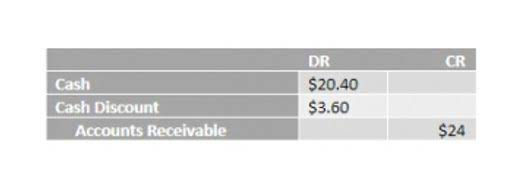

These processes demonstrate a company’s focus on accuracy and thoroughness. Using the double-entry accounting system, he credits cash for 20,000 ZAR and debits his assets (the car cleaning equipment) by the same amount. For his double declining balance depreciation method first job, he credits 5000 ZAR in revenue and debits an equal amount for accounts receivable. Johannes has therefore achieved reconciliation because both his credits and debits are equal.
Accurate reconciliation supports effective financial analysis and decision-making and is essential for audit readiness. It also gives stakeholders confidence in the integrity of the company’s financial data. The objective of doing reconciliations to make sure that the internal cash register agrees with the bank statement. Once any differences have been identified and rectified, both internal and external records should be equal in order to demonstrate good financial health. Again, the goal is to ensure the accuracy of the company’s accounting records. Hence, this step can take a good amount of time, though it’s one of the clearest ways for teams to uncover possible errors.
