Ubicación
Mexicali, BCN
Horarios
Lunes a Viernes: 8AM - 5PM
Sábado: 8AM - 2PM
Domingo: Cerrado
Also, be aware that some craft or specialty beers contain far higher amounts of alcohol — up to 12% or 14% or even higher. Beverages that combine wine or hard liquor with seltzer or other mixers also vary widely in their alcohol content. What’s more, growing evidence suggests that even small amounts of alcohol may harm your health. We’ve got lots of tips to help you cut back alone or with a partner. For example, if you usually have a glass of wine when you get home from work, try something new, like taking a walk or doing a yoga class.
Blood pressure also reduces (by 6%) and cancer-related growth factors declines, lowering your risk of cancer. Therapy, such as cognitive-behavioral therapy (CBT), helps address the underlying causes of addiction, develop coping strategies, and prevent relapse. It provides emotional support and tools to manage triggers, making it a crucial part of long-term recovery. Withdrawal symptoms can be managed by staying hydrated, maintaining a balanced diet, and getting adequate rest.

Relying on intention and willpower to stop drinking, even for a short period, is not usually enough. Resisting temptation takes up a lot of brain power and eventually your brain gets tired and gives in. Withdrawal symptoms can begin within a few hours to two days after someone’s last drink, lasting two to three days. Common early symptoms include difficulty sleeping, shakes (tremors), nervousness, and sweating. Alcohol dehydrates your body and can worsen skin issues like redness, puffiness, and breakouts.
The journey to sobriety is challenging, but with professional guidance, it becomes a manageable and transformative process. Use tools like a calendar or app to track progress, celebrating small victories along the way. For example, reward yourself with a non-alcoholic treat after successfully meeting a weekly goal. Neurotransmitter systems, particularly GABA and glutamate which were disrupted by alcohol addiction, move closer to their baseline levels. This rebalancing contributes to more stable moods, reduced anxiety, and enhanced cognitive abilities.
Own Your Limits is a Defense Department (DOD) education campaign, aligned to the Defense Health Agency, for the U.S. military. The mission of the campaign is to help Service members learn to drink responsibly, if they choose to drink alcohol. Find a friend you can hang out with who doesn’t feel the need to drink to have fun. If you need additional help to achieve your aspirations, connect with a primary care or behavioral health provider today. And if things get tough, getting help from a Gundersen provider is always an option.
Cutting back on alcohol to less than two drinks a day can reduce blood pressure significantly, reducing risk of stroke and heart disease. Reducing blood pressure also reduces risk of kidney disease, eye problems and even erectile dysfunction. Alcohol contributes to or causes a large number of chronic diseases, including heart disease, stroke, type 2 diabetes, and seven different types of cancer, as well as mental health issues. All of these risks can be reduced by quitting or cutting back on alcohol. It’s that perfect time when many of us take a good look at our lifestyles, our health, and our goals. If you’ve been thinking about cutting back on alcohol, taking a break, or even going booze-free altogether, you’re not alone.
Proper nutrition is essential for recovery, as alcohol can deplete essential vitamins and minerals. Incorporate protein-rich foods, leafy greens, and whole grains into your daily meals. Consider taking a multivitamin under the guidance of taking a break from alcohol a healthcare professional. This is also an ideal time to discuss how much alcohol is too much with a nutritionist or counselor, especially if you’re thinking about gradual lifestyle changes rather than abrupt cessation. Simple mindfulness practices—such as slow, deep breathing and grounding exercises—can lessen mental turbulence. If you’re feeling overwhelmed, gently bring your focus back to your breath or use guided meditations to anchor your thoughts.
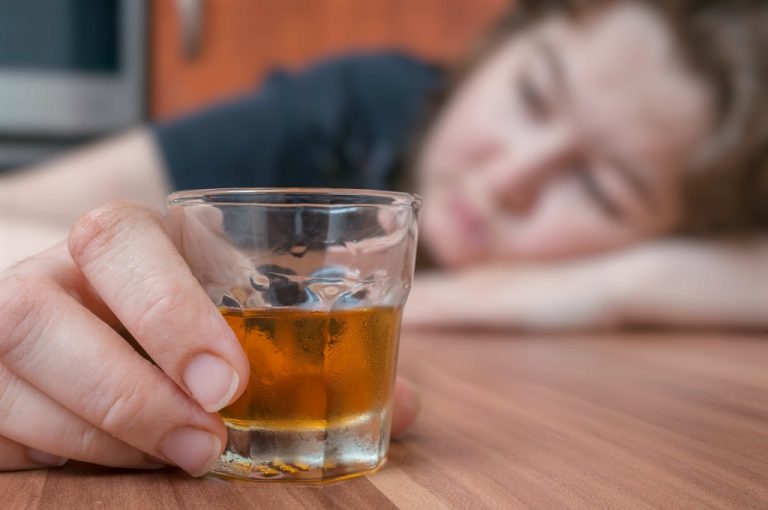
She said that patients who survive and make an effort to avoid alcohol can still improve liver function, even though the healing could take months. Over time, reducing or eliminating alcohol intake can have major effects on the body. In “basically every place that alcohol touches, we’re going to see improvements in health,” Witkiewitz said. It’s not all sunshine and roses when we stop drinking – we can also expect moments where we are triggered to drink and have strong cravings. These are usually going to pop up at times where we used to have a drink – after work, when out with friends, driving past the bottle shop. Many Daybreak members have noted that having some replacements for alcohol (such as alcohol-free beer or wine, tasty refreshing drinks or herbal teas) can be great at stopping urges in their tracks.
You’re not alone in this process, and every step you take can help you build a healthier future. This guide breaks down the recovery process, illuminating the challenges and incredible benefits that unfold over the first year. If you add in costs of drinking in social settings at restaurants, bars, and clubs, the amount might be more. On the other hand, if you drink in moderation, alcohol doesn’t affect LDL and instead increases good cholesterol (HDL).
You may notice that you get sick less often, recover more quickly when you do, and feel generally healthier. This improved immune function is another key benefit of giving your body a break from alcohol. In sum, reducing your alcohol intake presents a comprehensive path to improving your physical and mental health. By choosing to pause your alcohol consumption, you’re offering your body the gift of restoration and rejuvenation. We can’t overlook the significant benefit of increased energy levels that comes with a break from alcohol.
We compiled a list of mental health experts’ and registered dietitians’ tips for how to get started going sober. Alcohol suppresses REM sleep, the most restorative phase, which can leave you feeling groggy. Quitting allows your body to restore its natural sleep cycle, helping you wake up energized and ready to tackle the day. Better sleep also positively affects mood and cognitive function, making this one of the earliest benefits of abstinence. While participating in Dry January can reveal potential concerns, Dr. Snyder notes that abstaining for a month does not necessarily mean your drinking habits are healthy. Alcohol can sometimes create barriers in relationships, whether through misunderstandings, miscommunication, or impaired judgment.
Engage in regular physical activity, which not only boosts your mood but also helps in filling the time you might have previously spent drinking. Explore new hobbies or revisit old ones to keep your mind occupied and provide a sense of fulfillment. The Twelve-step program benefits of taking a break from alcohol can truly transform your daily experience, making sobriety a meaningful pursuit for anyone seeking a healthier lifestyle.
